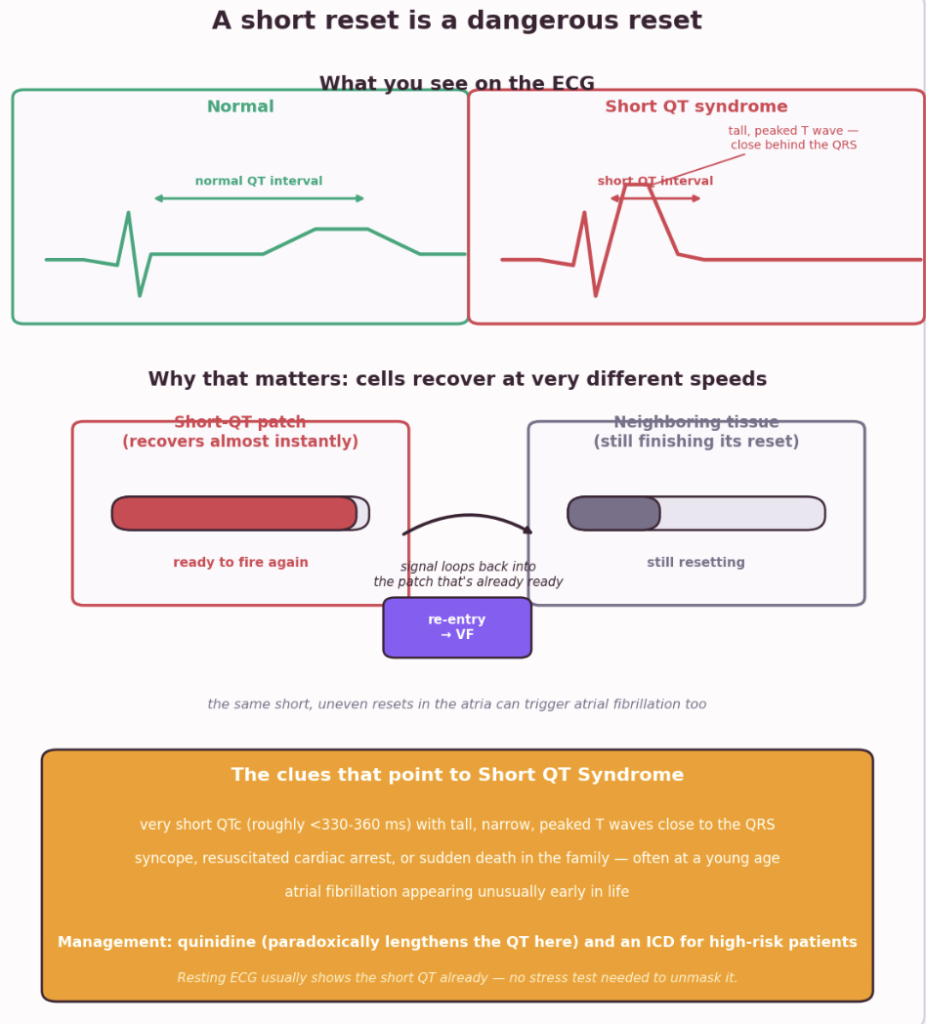
Short Qt syndrome

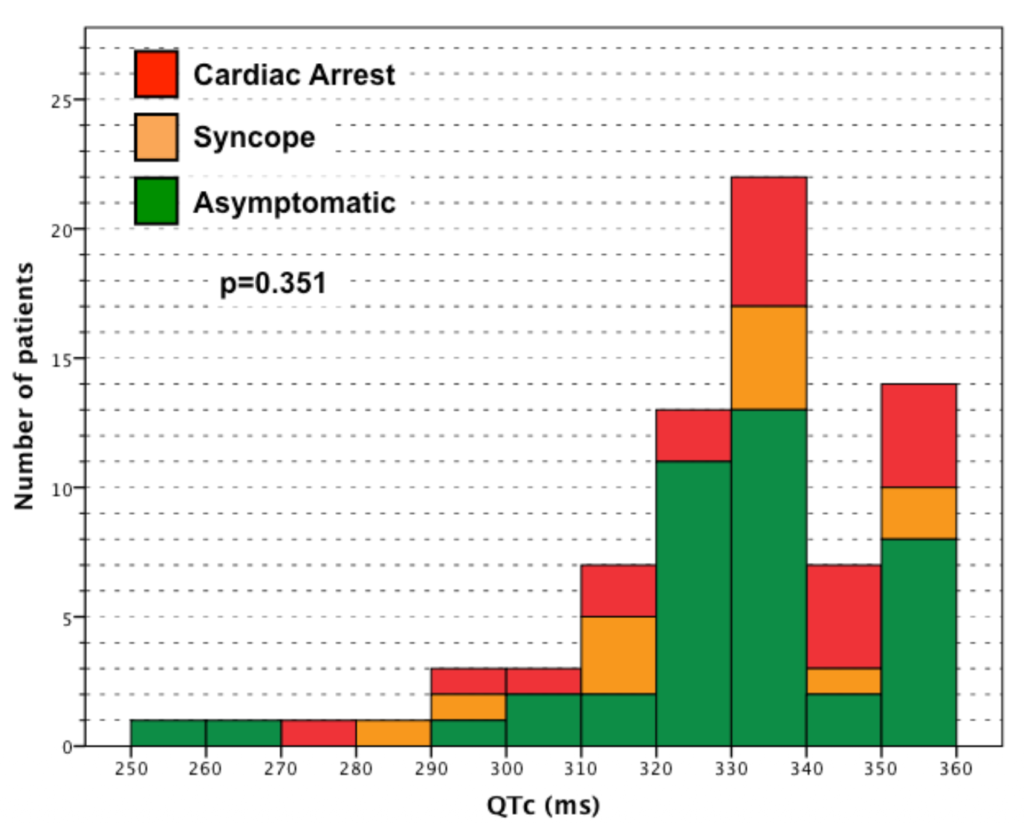
Qtc does not predict LAE

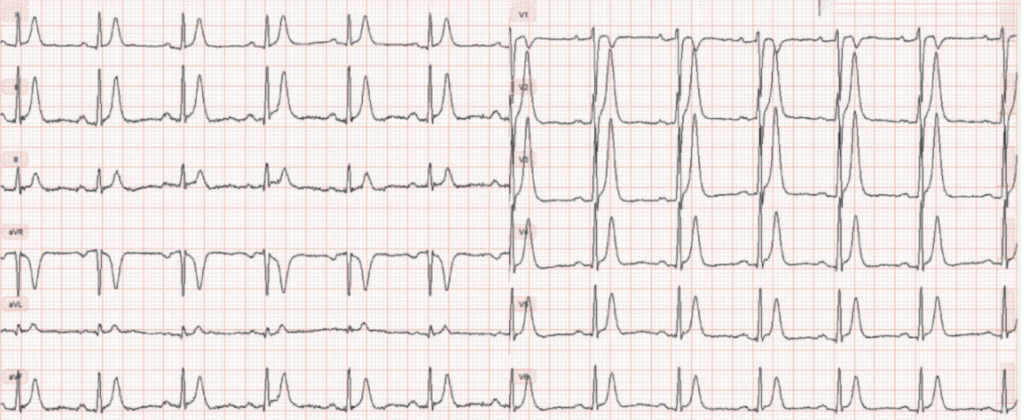
Diagnosis: QTc < 320ms, or <360ms + aborted CA.

High mortality (First event occurs before 40yo in 40%)

Treatment : Quinidine (beware Qtc), Isoprenaline for VF storm

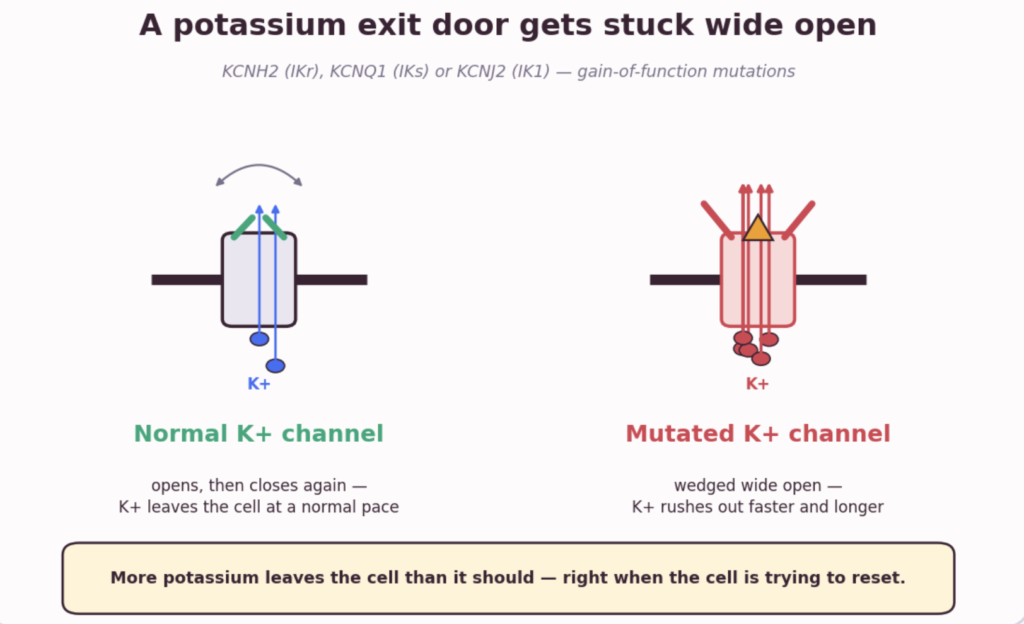
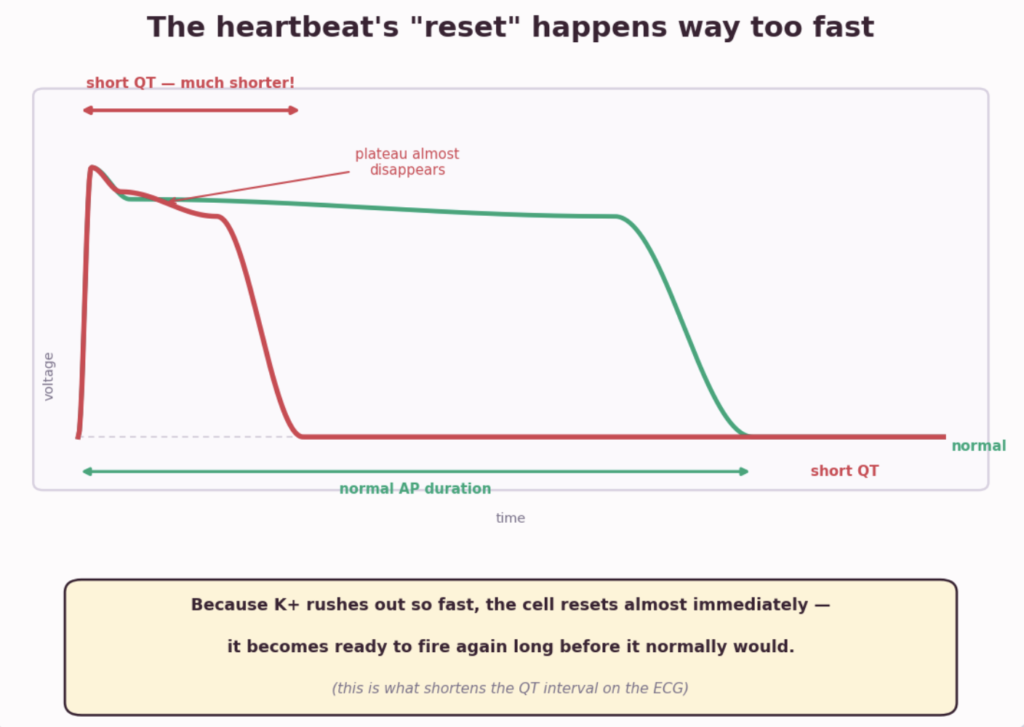
Physiology

Study cases

A 30‑year‑old man is evaluated after an incidental finding of a short QT interval. His resting ECG shows a QTc of 315 ms; he is asymptomatic and has no family history of sudden death. According to ESC guidelines, what threshold supports the diagnosis of short QT syndrome (SQTS) in this case?


A. QTc ≤340 ms


B. QTc ≤320 ms


C. QTc 320–360 ms only if combined with syncope


D. QTc 360–400 ms if accompanied by palpitations


E. QTc <440 ms regardless of symptoms

-> The ESC guidelines state that SQTS should be considered in the presence of a QTc ≤320 ms. For QTc 320–360 ms, a diagnosis is considered only when associated with arrhythmic syncope or a family history of sudden death.

A 28‑year‑old woman with SQTS (QTc 330 ms) experienced syncope while reading. Which management strategy is recommended/considered for SQTS patients with arrhythmic syncope?


A. Observation without therapy


B. Implantable loop recorder implantation only


C. ICD implantation should be considered


D. Chronic β‑blocker therapy


E. Immediate quinidine therapy in all patients

-> ESC guidance recommends that ICD implantation should be considered in SQTS patients who present with arrhythmic syncope. Implantable loop recorders are suggested for young, asymptomatic patients. Quinidine is an option when an ICD is contraindicated or

refused, not first‑line therapy