ARVC

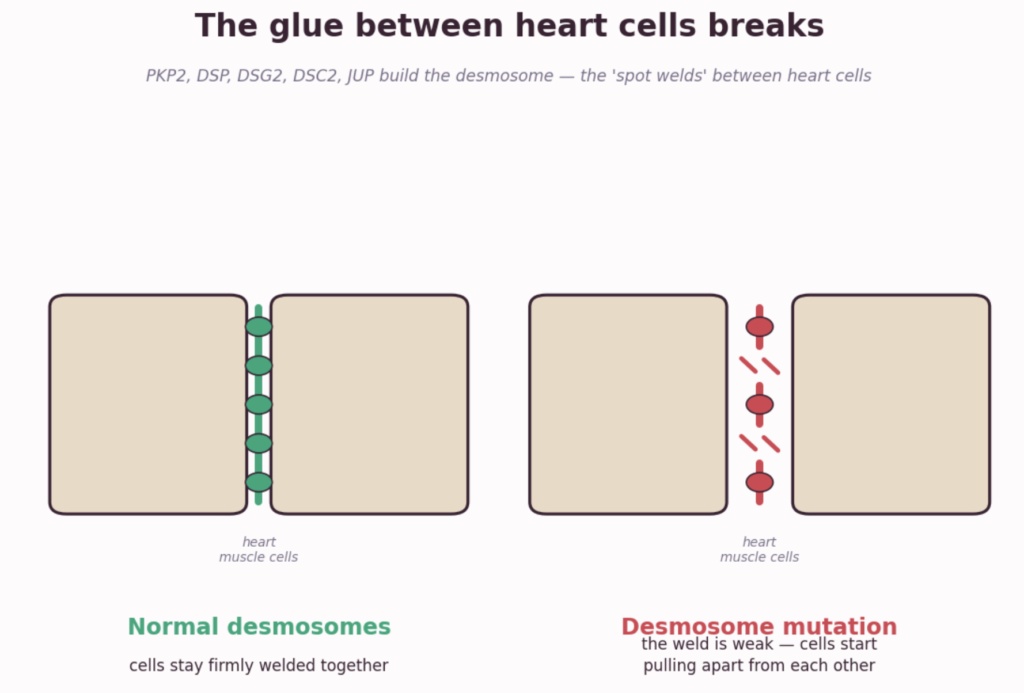
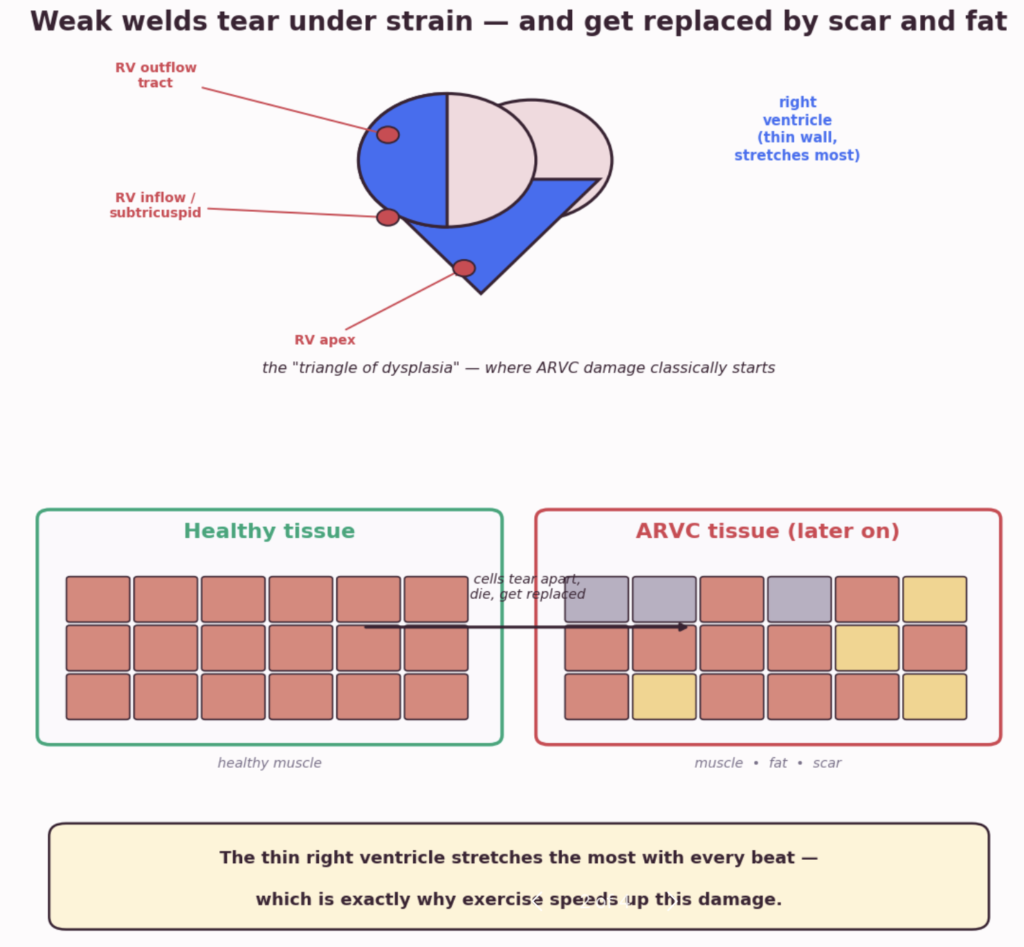
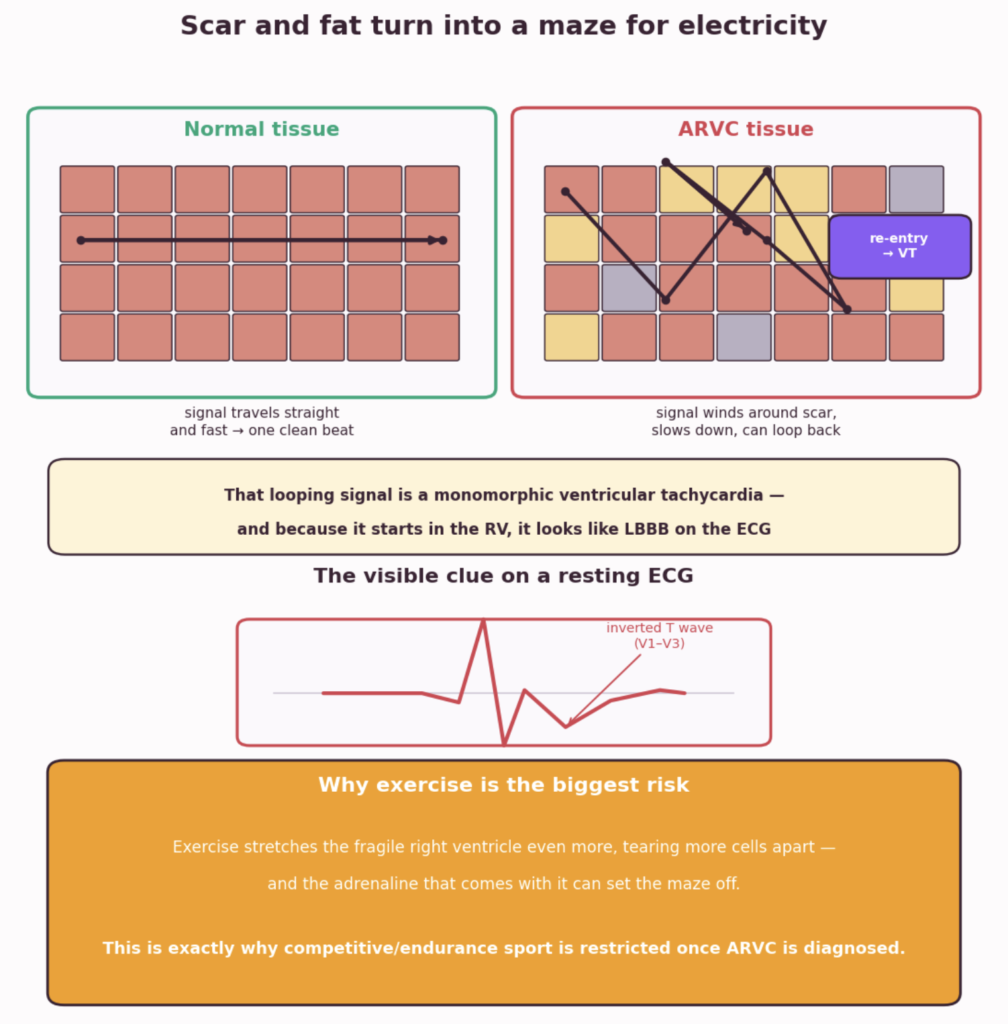
1. Physiology

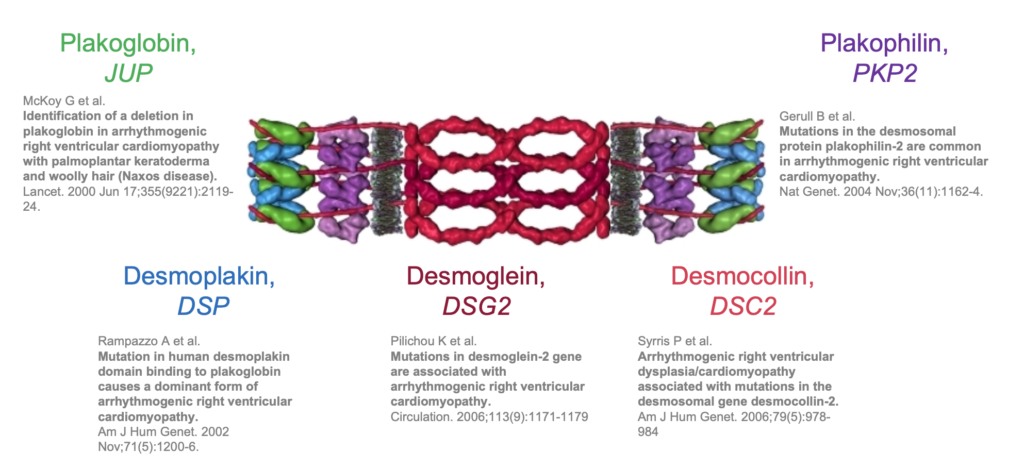
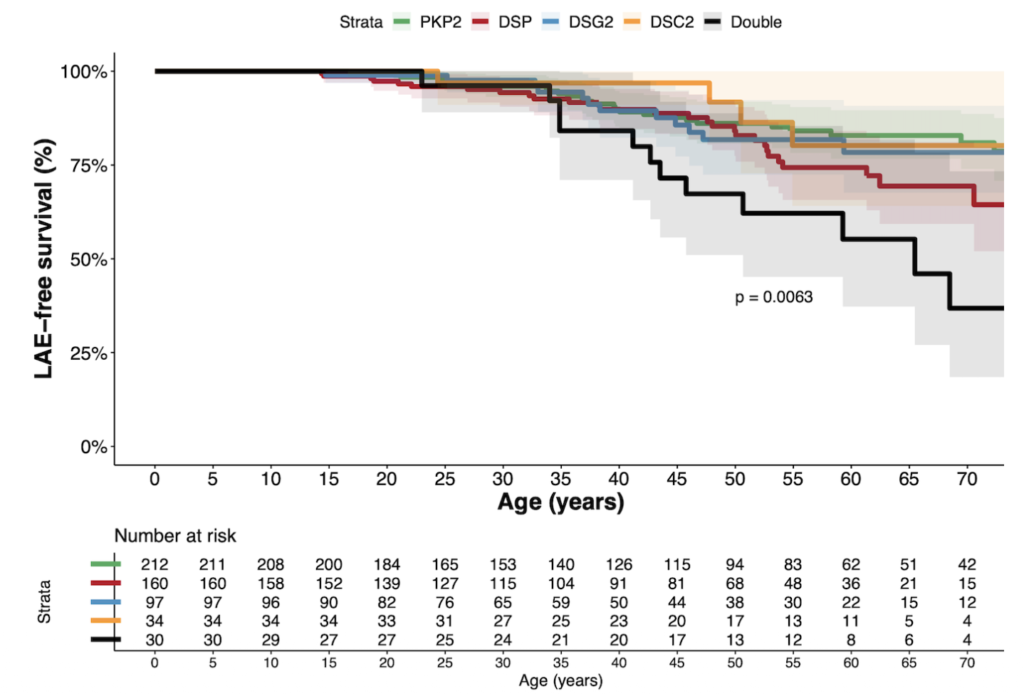
2. Type of mutation


3. Treatment

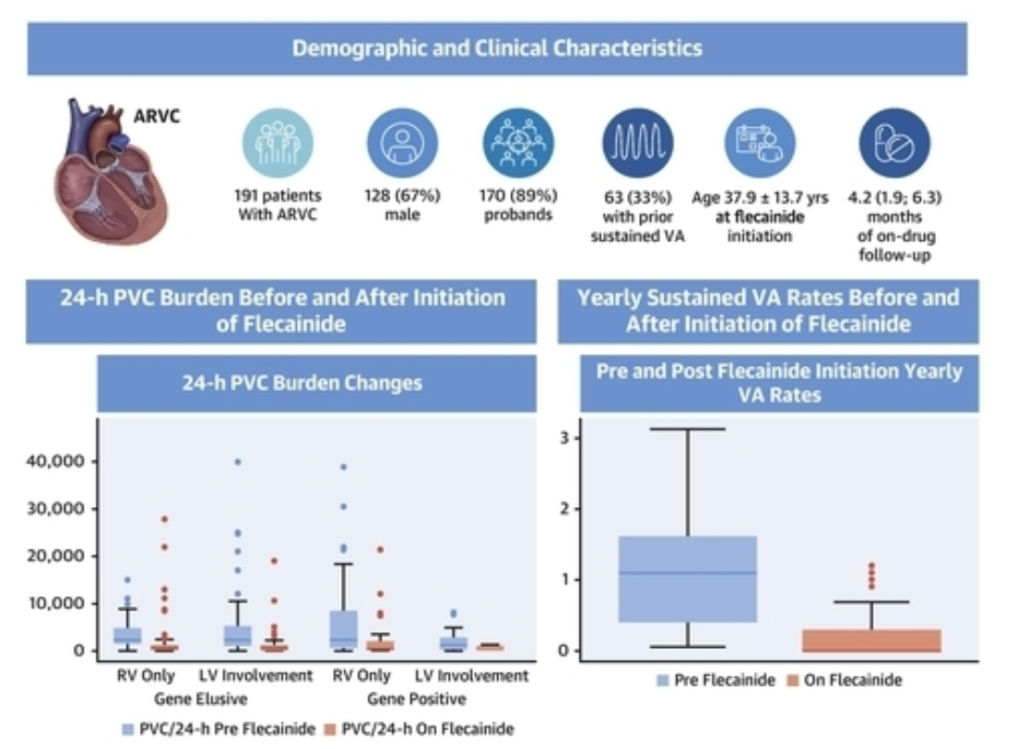
Beta-blockers combined with flecainide significantly reduce the 24-hour PVC burden and the rate of NSVT. In patients with prior VA events, there was a significant reduction in the number of VA episodes per year.

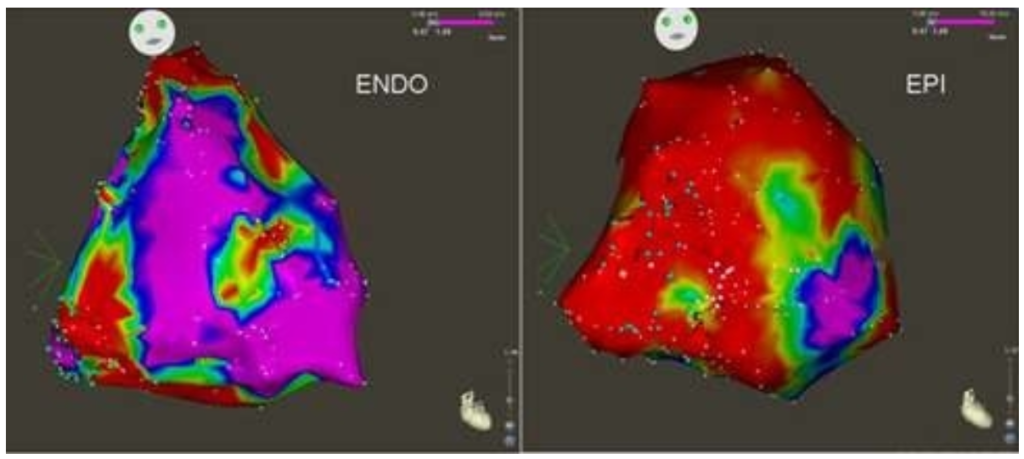
Epicardial scar is wider than the endocardial scar in ARVC.

> Combined endocardial & epicardial substrate-guided ablation is often necessary to reduce the recurrence of arrhythmias.

5. Study case

A 28‑year‑old man meets the diagnostic criteria for definite ARVC. He remains active but recently experienced a syncope with documented sustained ventricular tachycardia. Echocardiography shows normal left ventricular function but moderate right ventricular systolic dysfunction. What do ESC guidelines recommend regarding ICD therapy in this setting?


A. ICD is not recommended because left ventricular function is normal

B. ICD implantation should be considered

C. ICD is recommended only if another episode occurs

D. β‑blocker therapy alone is sufficient

E. Catheter ablation is first‑line therapy

ICD implantation should be considered

> The ESC guidelines state that ICD implantation should be considered (class IIa) in patients with definite ARVC who have arrhythmic syncope or severe right or left ventricular systolic dysfunction. Arrhythmic syncope in this patient justifies an ICD

A 20‑year‑old woman is a competitive cyclist and is found to have a pathogenic PKP2 mutation with subtle right ventricular structural changes but no arrhythmia. She seeks advice on continuing competitive sports. Which statement aligns with ESC guidance?


A. Competitive athletes with ARVC can participate without additional evaluation


B. Pre‑participation cardiovascular evaluation should be considered for competitive athletes with cardiomyopathy


C. Only symptomatic athletes require any restrictions


D. Low‑intensity exercise is prohibited in all patients with ARVC


E. An ICD is mandatory before any athletic participation

Pre‑participation cardiovascular evaluation should be considered for competitive athletes with cardiomyopathy


> ESC guidelines state that pre‑participation cardiovascular evaluation of competitive athletes should be considered. This assessment helps determine safe levels of activity and screening intervals; blanket clearance or prohibition without evaluation is not recommended